The shoulder is one of the most mechanically complex joints in the body — and one of the most commonly misdiagnosed sources of pain. Many patients arrive at Dr. French’s Norwalk, CT practice having been told they have a rotator cuff problem, when the actual driver of their pain is coming from the cervical spine, the thoracic spine, or the ribs. Getting the diagnosis right before starting treatment is the difference between resolving shoulder pain and treating it indefinitely without success.
Dr. Thomas French has treated shoulder pain at his Norwalk practice since 2002. His published research on rib dysfunction in Dynamic Chiropractic informs a clinical approach to shoulder pain that goes well beyond the standard rotator cuff evaluation — addressing the full kinetic chain from the cervical spine through the thoracic cage to the shoulder joint itself.
Why the Shoulder Is Uniquely Vulnerable
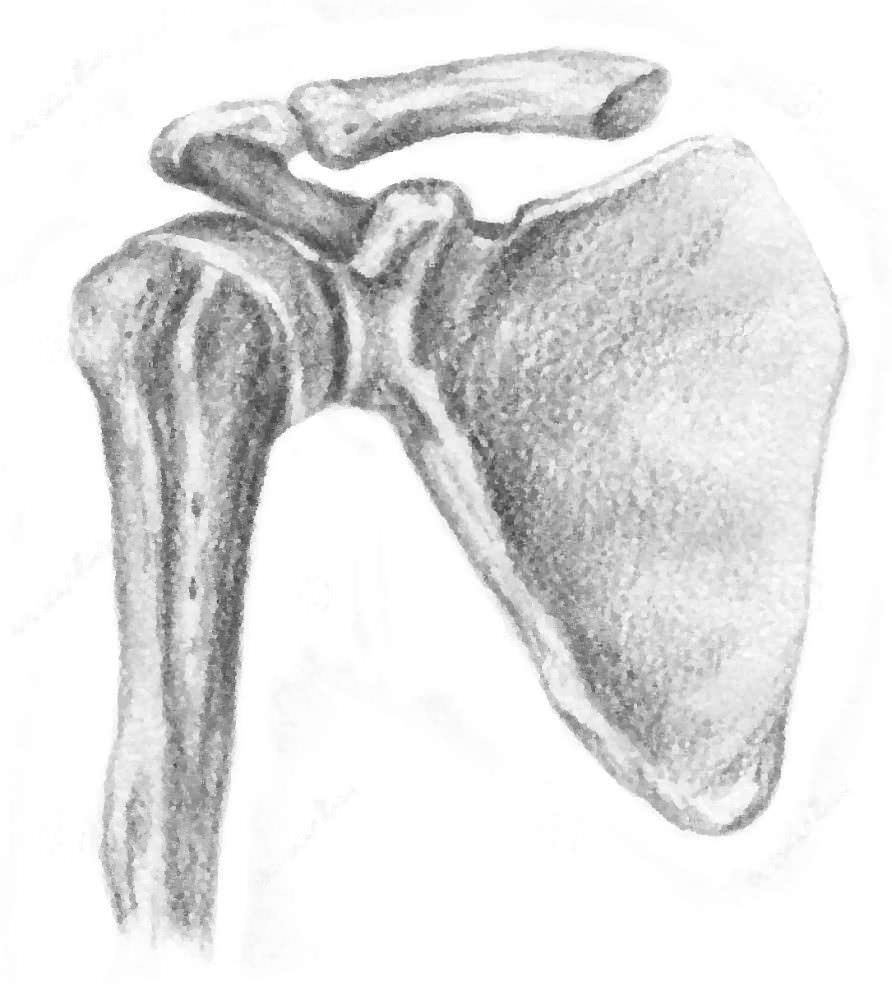
The shoulder only has one true bony attachment to the rest of the body — the clavicle connecting to the sternum at the front of the chest. That single strut keeps the arm at the side. Everything else — the shoulder blade, the humeral head, the entire mechanism of shoulder movement — is attached to the body entirely by muscles and tendons. No other major joint in the body relies so completely on soft tissue for stability.
This design gives the shoulder its extraordinary range of motion — more than any other joint in the body. But it also means that when the muscles and tendons are not functioning correctly, the entire shoulder mechanism becomes vulnerable. And because the shoulder blade rests on the ribcage, and the muscles controlling the blade attach to the spine, thoracic cage, and cervical spine, problems anywhere in that chain can manifest as shoulder pain.
The Three Sources of Shoulder Pain That Are Frequently Missed
1. Cervical Spine Referral
The nerve roots that exit the cervical spine at C4, C5, C6, and C7 refer pain directly into the shoulder and upper arm. C5 nerve root involvement classically produces pain in the outer shoulder that patients describe as shoulder pain — but the actual source is a cervical disc, inflamed cervical joint, or restricted upper cervical segment, not the shoulder itself. Treating the shoulder when the problem is in the neck produces no lasting improvement because you’re treating the wrong structure.
Dr. French performs cervical neurological testing on every shoulder pain patient — dermatomal sensation, deep tendon reflexes, and cervical orthopedic tests — before evaluating the shoulder itself. If the cervical spine is the source, treatment focuses there. If the shoulder is the source, treatment focuses there. Sometimes both are involved simultaneously, which is common in patients who have had prolonged shoulder pain and have developed secondary cervical restriction from altered movement patterns.
Learn more about neck pain and cervical referral →
2. Rib Dysfunction and Scapular Dyskinesis
This is the source of shoulder pain that is most consistently missed in standard medical evaluation — and it’s one of the areas where Dr. French’s clinical experience and published research on rib dysfunction provides a specific advantage.
The shoulder blade — the scapula — rests on the posterior ribcage. Its movement is guided by the shape of the ribs underneath it and the muscles that attach between the blade and the spine. When a rib becomes restricted or misaligned — a condition that can result from a direct injury, a fall, a cough, repeated asymmetric loading, or gradually from postural habits — the shoulder blade can no longer glide smoothly over it. This disrupts what is called scapulothoracic rhythm — the coordinated movement between the scapula and the ribcage that underlies all shoulder function.
When scapulothoracic rhythm is disrupted, the rotator cuff muscles can no longer position the humeral head correctly in the shoulder socket. The result is impingement — the rotator cuff tendons being pinched between the humerus and the acromion — not because the rotator cuff itself is the problem, but because the foundation it’s working from has been destabilized by the rib restriction underneath it.
Patients with this presentation often have a history of sudden onset shoulder pain after a seemingly minor event — a heavy sneeze, picking something up off the floor, a sudden twist — that was actually the moment the rib restriction became significant enough to disrupt scapular mechanics. They frequently have mid-back or periscapular pain alongside the shoulder pain, and their shoulder pain often doesn’t respond to standard rotator cuff treatment because the rotator cuff isn’t the primary problem.
Adjusting the restricted rib and restoring normal scapulothoracic rhythm is often dramatically effective for this presentation — sometimes producing near-immediate improvement in shoulder function that years of rotator cuff treatment didn’t achieve. This is a condition that requires knowing it exists to look for it.
3. Thoracic Spine Restriction
The thoracic spine is the attachment point for the muscles that control the shoulder blade — the rhomboids, the middle and lower trapezius, and the serratus anterior all originate from or run along the thoracic spine and ribs. When the thoracic spine is restricted — particularly in rotation, which is the direction most restricted by prolonged desk sitting — these muscles cannot function normally and the shoulder blade is pulled into a position that predisposes to impingement and rotator cuff overload.
Fairfield County’s large desk-working commuter population develops thoracic restriction from sustained sitting that directly contributes to shoulder pain — the two conditions frequently arrive together. Addressing the thoracic restriction is often as important as treating the shoulder itself.
Common Shoulder Conditions Dr. French Treats
Rotator Cuff Impingement
Rotator cuff impingement occurs when the rotator cuff tendons are pinched between the humeral head and the acromion during shoulder movement — producing pain with overhead activities, reaching behind the back, and often disturbing sleep when lying on the affected side. The most common cause is the forward-rotated shoulder posture produced by prolonged desk work, driving, and phone use — the exact posture that closes the subacromial space and puts the rotator cuff tendons in a position where they’re vulnerable to being pinched.
Treatment addresses both the local shoulder mechanics — restoring normal joint mobility and reducing the muscle imbalance between the overactive internal rotators and the underactive external rotators — and the upstream causes from the thoracic spine and ribs. Postural correction is an essential component because impingement that resolves with treatment will return if the postural pattern that caused it isn’t addressed.
Rotator Cuff Tendinopathy and Tears
Rotator cuff tendinopathy — degeneration of the tendon tissue from chronic overloading — produces persistent shoulder pain that doesn’t fully resolve between activity bouts. Partial tears of the rotator cuff tendons can result from acute injury or from the progressive weakening of chronically overloaded tendon tissue. Chiropractic care is appropriate for tendinopathy and small partial tears — it addresses the mechanics that produced the overloading and supports the healing process. Full-thickness rotator cuff tears require orthopedic evaluation for surgical consideration, and Dr. French refers when the clinical findings suggest this degree of involvement.
Frozen Shoulder — Adhesive Capsulitis
Frozen shoulder occurs when the ligaments surrounding the shoulder joint adhere to each other — typically following another shoulder injury that was immobilized or simply not used while healing. The condition is marked by severe restriction in shoulder range of motion, often progressing through a freezing phase (increasing pain and stiffness), a frozen phase (persistent restriction with reduced acute pain), and a thawing phase (gradual return of motion). The entire process can take 12-24 months without treatment.
Prevention is far preferable to treatment — frozen shoulder is much more difficult to treat once established. This is why any shoulder pain that’s causing you to significantly limit your shoulder movement should be evaluated and treated rather than rested and ignored. Maintaining shoulder mobility during the healing process is the most effective prevention. When frozen shoulder is already established, chiropractic mobilization of the shoulder capsule alongside the thoracic spine can facilitate the thawing process.
AC Joint Injuries
The acromioclavicular joint — where the collar bone meets the shoulder blade — is commonly sprained in falls onto the shoulder or the outstretched arm. Grade I and II AC joint sprains (partial ligament tears) respond well to chiropractic care and conservative management. Grade III and above (complete AC separation with visible deformity) require orthopedic evaluation. Dr. French assesses AC joint stability at every shoulder evaluation and refers when significant instability is present.
Shoulder Bursitis
The subacromial bursa cushions the rotator cuff tendons from the acromion above. When it becomes inflamed — from impingement, direct trauma, or repetitive overhead loading — it produces pain and swelling that limits shoulder movement. Bursitis is frequently secondary to the mechanical problems above rather than a primary condition — addressing the impingement mechanics that are irritating the bursa resolves both simultaneously.
Biceps Tendinopathy
The long head of the biceps tendon runs through the shoulder joint and is commonly irritated in conjunction with rotator cuff problems, particularly in athletes with repetitive overhead loading. It produces pain at the front of the shoulder and upper arm, often with a catching or popping sensation. Chiropractic evaluation identifies whether the biceps tendon irritation is a primary problem or secondary to rotator cuff and shoulder mechanics issues.
How Dr. French Evaluates Shoulder Pain
A thorough shoulder evaluation begins with the history — onset, mechanism, location of pain, what movements reproduce it, whether it disturbs sleep, and what treatments have already been tried. This history alone often points strongly toward one of the three frequently missed sources discussed above.
The physical examination includes:
- Cervical neurological screening — ruling in or out C4-C7 nerve root involvement before evaluating the shoulder
- Shoulder range of motion testing — active, passive, and resisted in all planes
- Orthopedic shoulder tests — Hawkins-Kennedy, Neer’s, empty can, Speed’s, O’Brien’s, and others specific to the suspected diagnosis
- Scapular mechanics assessment — evaluating scapulothoracic rhythm during shoulder elevation to identify scapular dyskinesis
- Thoracic and rib evaluation — assessing thoracic rotation restriction and rib mobility directly underneath the scapula
- Palpation — identifying the specific restricted ribs, thoracic segments, and muscle trigger points involved
This comprehensive evaluation is what separates accurate diagnosis from treatment based on assumption. Many patients presenting with shoulder pain have already had the standard shoulder evaluation — and are referred to Dr. French specifically because the standard treatment hasn’t worked. Evaluating the full kinetic chain rather than the shoulder in isolation is where the diagnosis is often found.
Kinesio Taping for Shoulder Pain
Dr. French is certified in Kinesio Taping — an evidence-based technique used to support shoulder mechanics, reduce pain, and improve muscle activation patterns between treatment visits. For shoulder impingement and rotator cuff conditions, specific Kinesio tape applications can support the scapular positioning and rotator cuff activation that the muscles aren’t yet doing independently — providing therapeutic benefit between visits and during the return-to-activity phase. Learn more about Kinesio Taping →
When Is Surgery Necessary for Shoulder Pain?
Some shoulder conditions require surgery regardless of conservative care — full-thickness rotator cuff tears with significant functional deficit, severe AC separation with persistent instability, and advanced frozen shoulder that hasn’t responded to an adequate conservative trial. Dr. French evaluates whether your presentation is within the appropriate scope of chiropractic care or requires orthopedic referral. His commitment is to honest assessment — telling you when surgery is likely necessary rather than continuing conservative care when it isn’t producing results.
The orthopedic surgeons in the Norwalk and Fairfield County area are skilled. When surgical referral is appropriate, Dr. French connects you with the right specialist and remains involved in your pre-surgical and post-surgical care when chiropractic can support recovery.
Frequently Asked Questions About Shoulder Pain
Yes — many types of shoulder pain respond well to chiropractic care, particularly impingement, rotator cuff tendinopathy, frozen shoulder in its early stages, and shoulder pain caused by cervical spine referral or rib dysfunction. Dr. French evaluates the full kinetic chain — cervical spine, thoracic spine, ribs, and shoulder — to identify the actual source of pain before treating.
Yes — this is one of the most commonly missed sources of shoulder pain. The C4, C5, C6, and C7 nerve roots refer pain directly into the shoulder and upper arm. C5 involvement classically produces outer shoulder pain that is indistinguishable from rotator cuff pain without neurological testing. Treating the shoulder when the problem is in the neck produces no lasting improvement.
Yes — this is a less well-known but clinically significant cause of shoulder pain. The shoulder blade rests on the ribcage, and its movement depends on the ribs beneath it being mobile. A restricted rib disrupts the shoulder blade’s movement — a condition called scapular dyskinesis — which leads to rotator cuff impingement even when the rotator cuff itself is structurally normal. Dr. French has specific expertise in rib dysfunction and its relationship to shoulder pain, informed by his published research in Dynamic Chiropractic.
Full-thickness rotator cuff tears with functional deficit, severe AC joint separation, and advanced frozen shoulder that hasn’t responded to conservative treatment may require surgery. Dr. French performs a thorough evaluation to determine whether your presentation is appropriate for chiropractic care or requires orthopedic referral — and will tell you honestly if surgery is likely the right path.
Frozen shoulder — adhesive capsulitis — occurs when the shoulder joint capsule’s ligaments adhere to each other, causing severe restriction in range of motion. Chiropractic mobilization is most effective in the early stages. Established frozen shoulder can take 12-24 months to resolve. Prevention — keeping the shoulder moving during any shoulder injury rather than immobilizing it — is far preferable to treatment.
Yes — rotator cuff impingement and bursitis frequently cause pain when lying on the affected shoulder. Patients often report being woken by pain when rolling onto the side. This is one of the most functionally limiting aspects of shoulder pain and typically resolves as the underlying mechanics are addressed.
Yes. Dr. French is certified in Kinesio Taping and uses specific tape applications to support scapular positioning, reduce impingement mechanics, and improve rotator cuff activation between visits. It’s particularly useful during the return-to-activity phase when the muscles aren’t yet fully supporting the joint independently.
Depends on the cause and severity. Acute shoulder pain from a specific injury often responds within 4-8 visits. Chronic impingement or frozen shoulder takes longer — 8-16 visits over 2-4 months is typical for established cases. Shoulder pain driven by cervical referral or rib dysfunction often responds faster once the correct source is identified and treated.
Have more questions? See our FAQ
Other Conditions We Treat
Many patients have more than one issue going on at once. Here are other conditions commonly treated at this practice:
Back Pain · Neck Pain · Sciatica · Herniated Disc · Headaches · Upper Back & Rib Pain · Whiplash · Auto Accident Injuries · Sports Injuries · Pregnancy Pain · Vertigo & Dizziness · Arthritis · Scoliosis
Schedule Shoulder Pain Treatment in Norwalk, CT
If you’ve been dealing with shoulder pain — whether it’s a new injury or a chronic problem that hasn’t responded to previous treatment — a thorough evaluation at Dr. French’s Norwalk, CT office identifies what’s actually causing the pain and what the most direct path to resolution looks like.
Call (203) 939-9700 or book online. Same-day appointments available for acute injuries. Located at 148 East Avenue, Suite 1D, Norwalk, CT 06851 — I-95 Exit 16, free parking.
Serving shoulder pain patients from Norwalk, Westport, Wilton, Darien, New Canaan, Weston, Stamford, and Fairfield County, CT.